
Impulse Responses from Natural Chambers
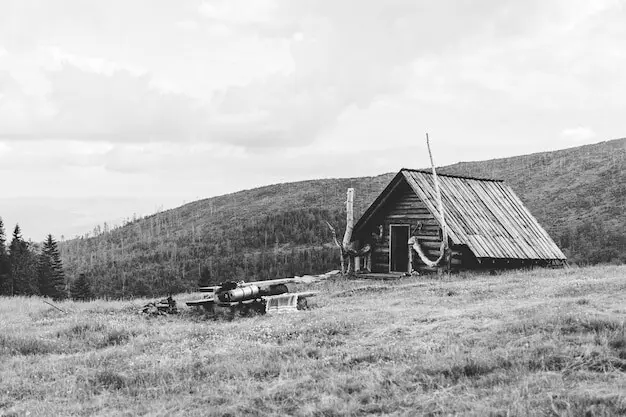
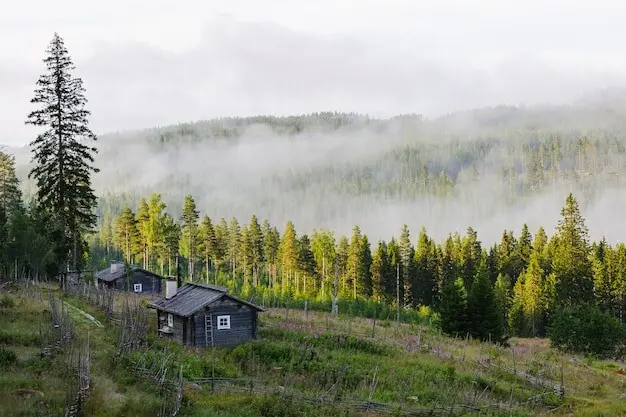
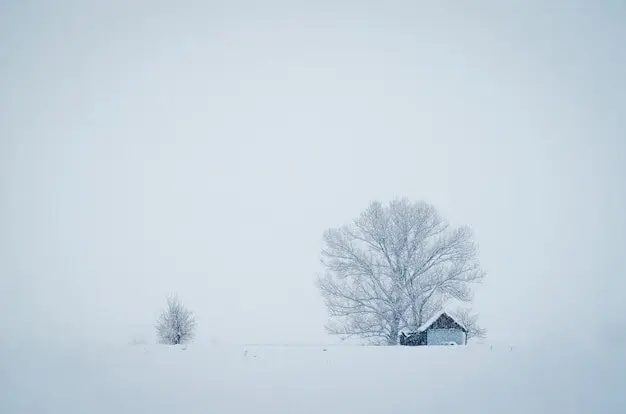
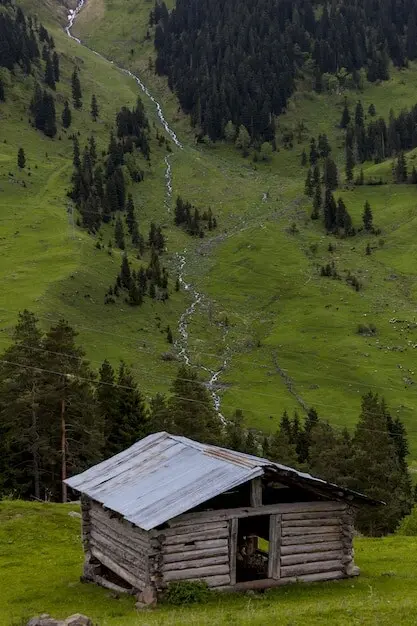
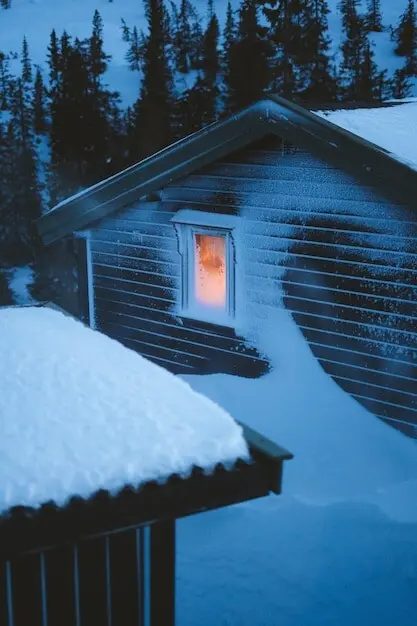
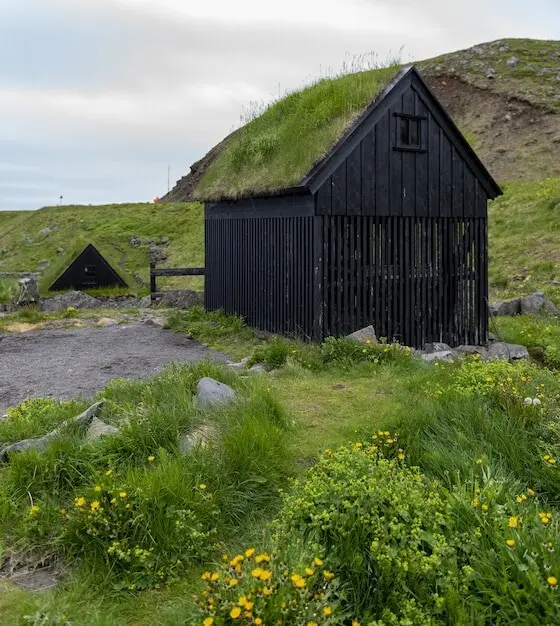
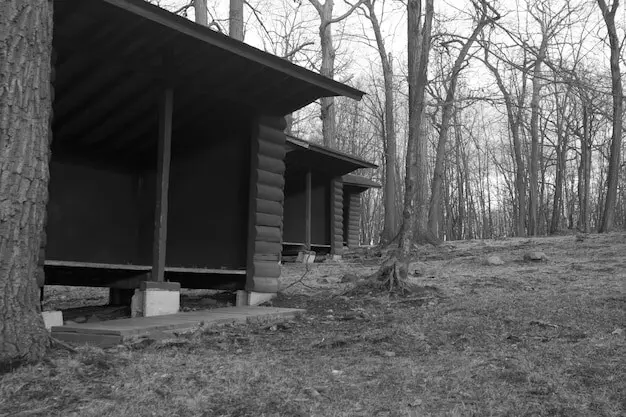
A starter pistol is dramatic, but a hand clap or balloon can map the space without startling wildlife. Sweep quietly if possible. Later, convolve whispered pads and hushed tape passages with these responses, preserving local color. Listeners sense stone, wood, or snowfields subconsciously, anchoring the music in remembered terrain.
Re-amping into Landscapes
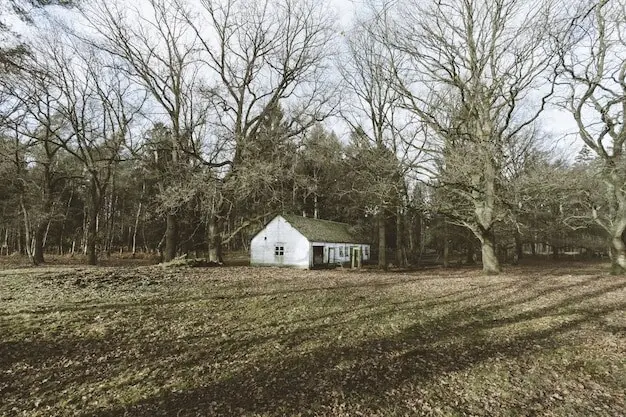
Place a small, weatherproof speaker near lichen and boulders, then feed a gentle loop while you wander with microphones, collecting playful reflections and insect duets. Keep volume respectful. The re-recorded layer mingles human craft with local time, diffusing edges and inviting the mountain to sign the collaboration.
Spatial Mixing for Headphones and Beyond
Many listeners will explore your work on headphones, so shape azimuth and elevation with binaural tools or first-order ambisonics downmixes. Anchor attention with a steady element, then let other voices orbit slowly. For galleries or domes, export higher-order formats, preserving gentle dynamics and the mountain’s wide, respectful silence.