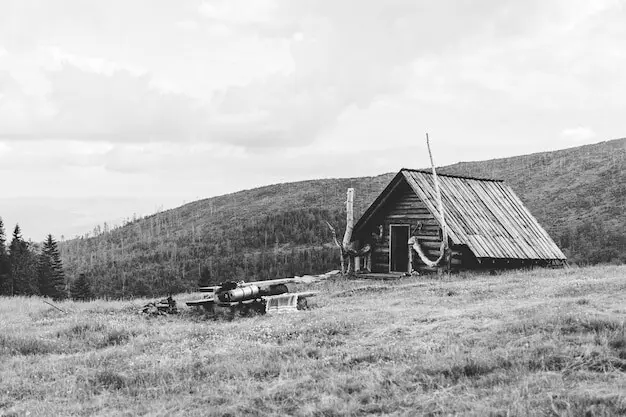
Grain over Granite: Film Mountains, Digital Finish

Today we explore analog film methods for alpine landscape photography paired with modern digital editing workflows, uniting careful on-mountain exposure, resilient mechanical cameras, and mindful development choices with color-managed scanning, precise negative inversion, and restrained tonal shaping, so the final image preserves film’s character while embracing the clarity, flexibility, and repeatability modern tools provide for high, cold, dazzlingly contrasty environments.

Stock, Glass, and Steel for Thin Air

Selecting film, lenses, and bodies for altitude is less about specs and more about temperament. Cold, glare, wind, and sudden weather shifts punish indecision and fragile gear. Choose stocks with predictable contrast, cameras that advance without batteries, optics that handle flare gracefully, and filters that cooperate with snow rather than wrestle it into muddy midtones.

Exposure Discipline Above the Treeline

Thin air is an unforgiving editor. Gusts shake tripods, frost numbs fingers, and the sun ricochets between granite and ice. Exposure becomes choreography: calculating reciprocity, shielding the lens, timing gust-lulls, and deciding whether to accept the mountain’s contrast or fold it into latitude you can later tease gently during scanning and editing.
Long twilight exposures on chromes invite reciprocity failure; consult charts, then test. Color negatives usually curve more kindly. For star trails above serrated ridges, overbuild stability, hang a pack for weight, and watch lens frost. That faint glacial blue emerges beautifully when you protect highlights and let time reveal subtle tonality across the snow.
Film encourages intention. When the first alpenglow kisses a corniced ridge, you may not earn multiple frames. Decide whether to bracket narrowly around a carefully metered value or commit to a single exposure reflecting your vision. Let weather, stock latitude, and your scanning workflow’s resilience inform how boldly you lean into one decisive click.
Carbon legs whistle in gusts; spread them low, anchor them, and keep a mittened hand ready to steady. Use a cable release, mirror lock-up where possible, and a lens cloth on constant duty. Patience beats spray-and-pray. Wait for the breath between gusts, then exhale calmly and invite the ridge to settle into stillness.

From Canister to Chemistry

The mountain journey continues inside tanks and lab machines. Clear communication about push or pull, water temperatures, agitation style, and your exposure intent shapes how density lands on the strip. Keep meticulous notes, label canisters by scene and meter strategy, and partner with a lab that respects alpine nuance rather than flattening everything into convenience.

Turning Silver into Pixels

Digitization is translation, not transformation. Whether you favor DSLR scanning, a calibrated flatbed, or drum scans, aim for consistent light, orthogonal alignment, and gentle handling. Capture linear data, banish dust with patient care, and prepare for color-true inversion that unlocks film latitude without bulldozing the delicate tension between highlight shimmer and shadow depth.

Modern Edits, Film Soul

Editing should reveal what the mountain offered, not overwrite it. Use color-managed monitors, soft proofing, and structured steps: white balance refinement, tonal mapping, local contrast, and delicate color grading. Borrow darkroom logic for dodging and burning, while leveraging luminosity masks to protect fragile highlight texture and the quiet, shadowed seams of ice.

Stories Etched in Altitude

A single peak is a portrait; a sequence becomes a journey. Build narratives that carry viewers from valley fog to summit glint, and back through dusk’s lavender hush. Pair images with field notes, weather windows, and small confessions, inviting readers to feel wind-stung cheeks and the slow, satisfying click of a committed exposure.
Zentozeravexokentonovizori
Privacy Overview

This website uses cookies so that we can provide you with the best user experience possible. Cookie information is stored in your browser and performs functions such as recognising you when you return to our website and helping our team to understand which sections of the website you find most interesting and useful.